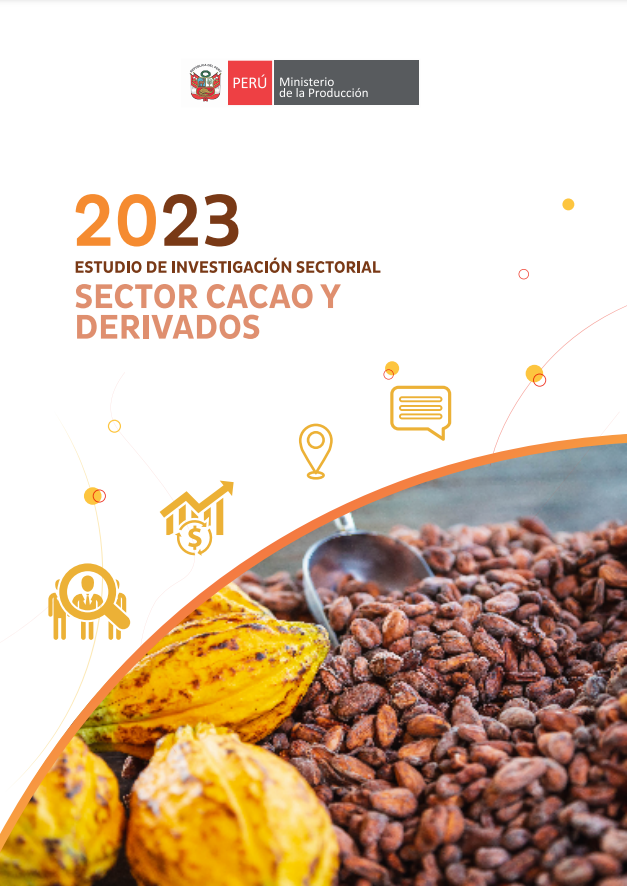
Manufacture
febrero 2026 

In February 2026, manufacturing GDP recorded slight growth of 2.7% compared with February 2025. This performance was mainly driven by the moderate growth observed in non-primary manufacturing (3.6%); likewise, slight growth in primary manufacturing (+0.3%) also contributed.

01

Fishing Sector
january 2026

In January 2026, the fishing sector’s GDP fell 9.6% year-on-year. This result is mainly explained by lower anchovy extraction for industrial fishmeal and fish oil production. In addition, landings totalled 430.4 thousand metric tons, representing a 29.8% decrease from January 2025 (613.2 thousand metric tons).

02

Aquaculture
january 2026

In January 2026, aquaculture harvests grew 49.5% year-on-year. This result was mainly driven by higher harvests of scallops (+106.8%), shrimp (+24.8%), trout (+11.1%), and tilapia (+31.2%), supported by improved weather conditions.

03

Domestic Trade
january 2026

En febrero del 2026, las ventas del sector comercio interno registraron un crecimiento significativo de (+13.7%) en comparación con febrero de 2025. Este desempeño fue impulsado por
la campaña del Día de San Valentín y la Amistad, en un contexto de mayor dinamismo de la demanda interna (6.5%).

04

Sectoral Studies

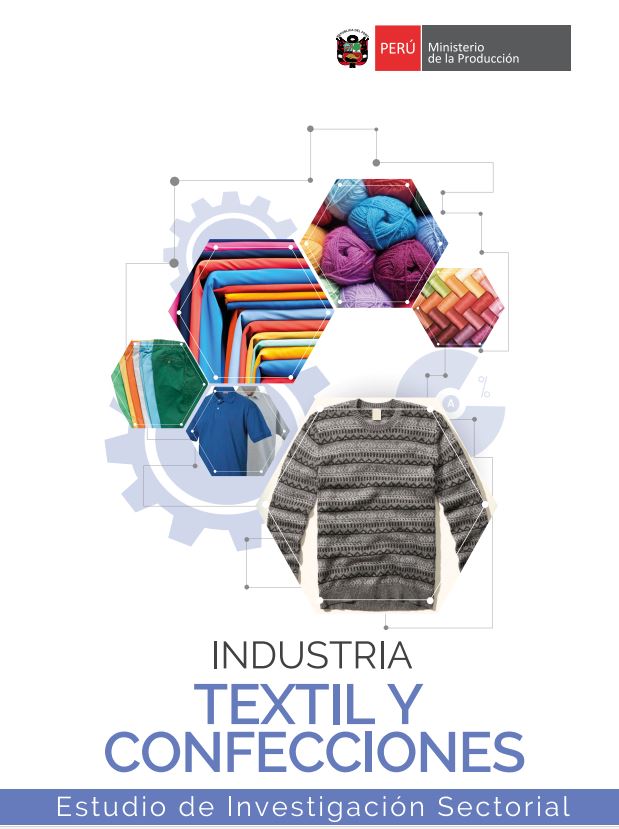
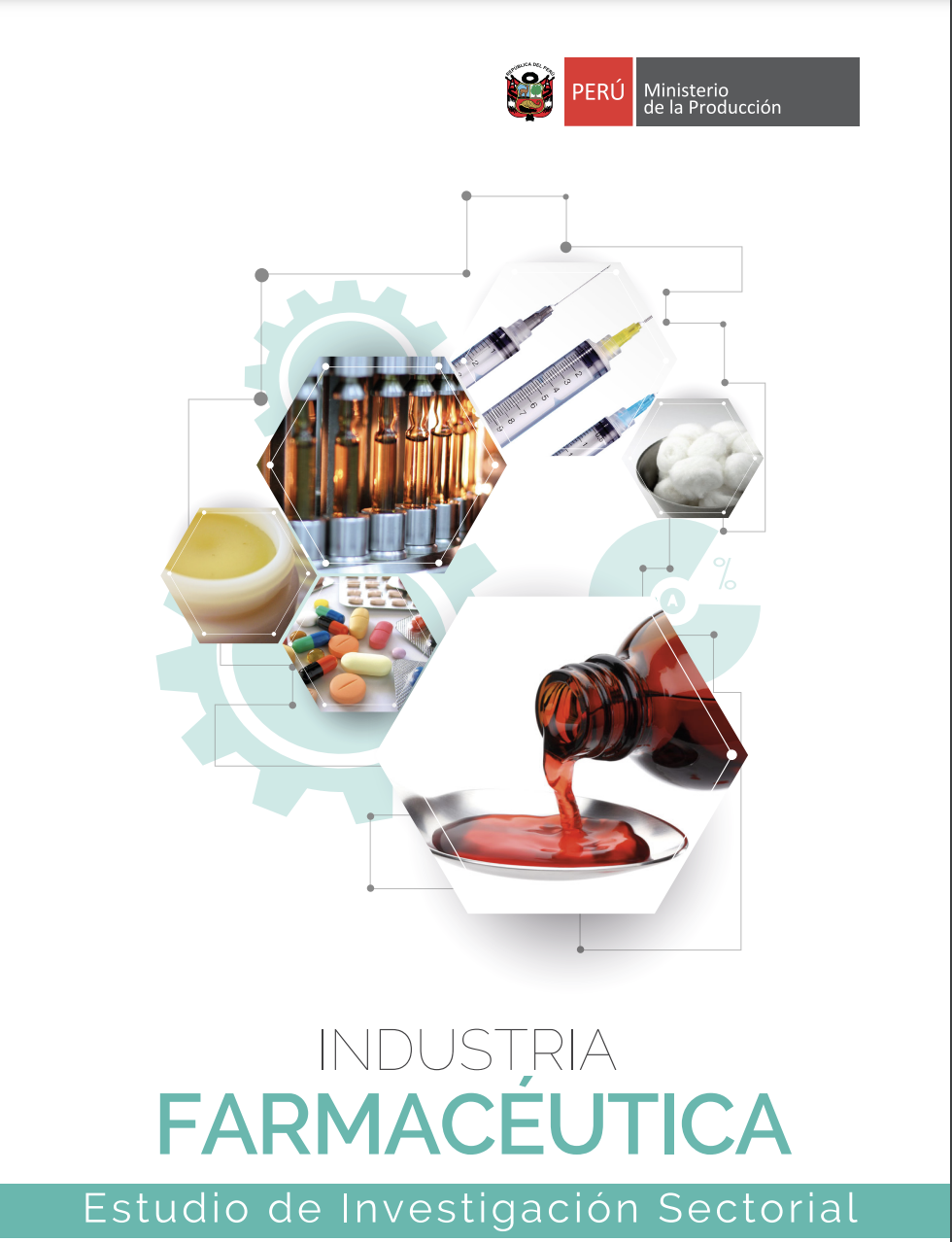
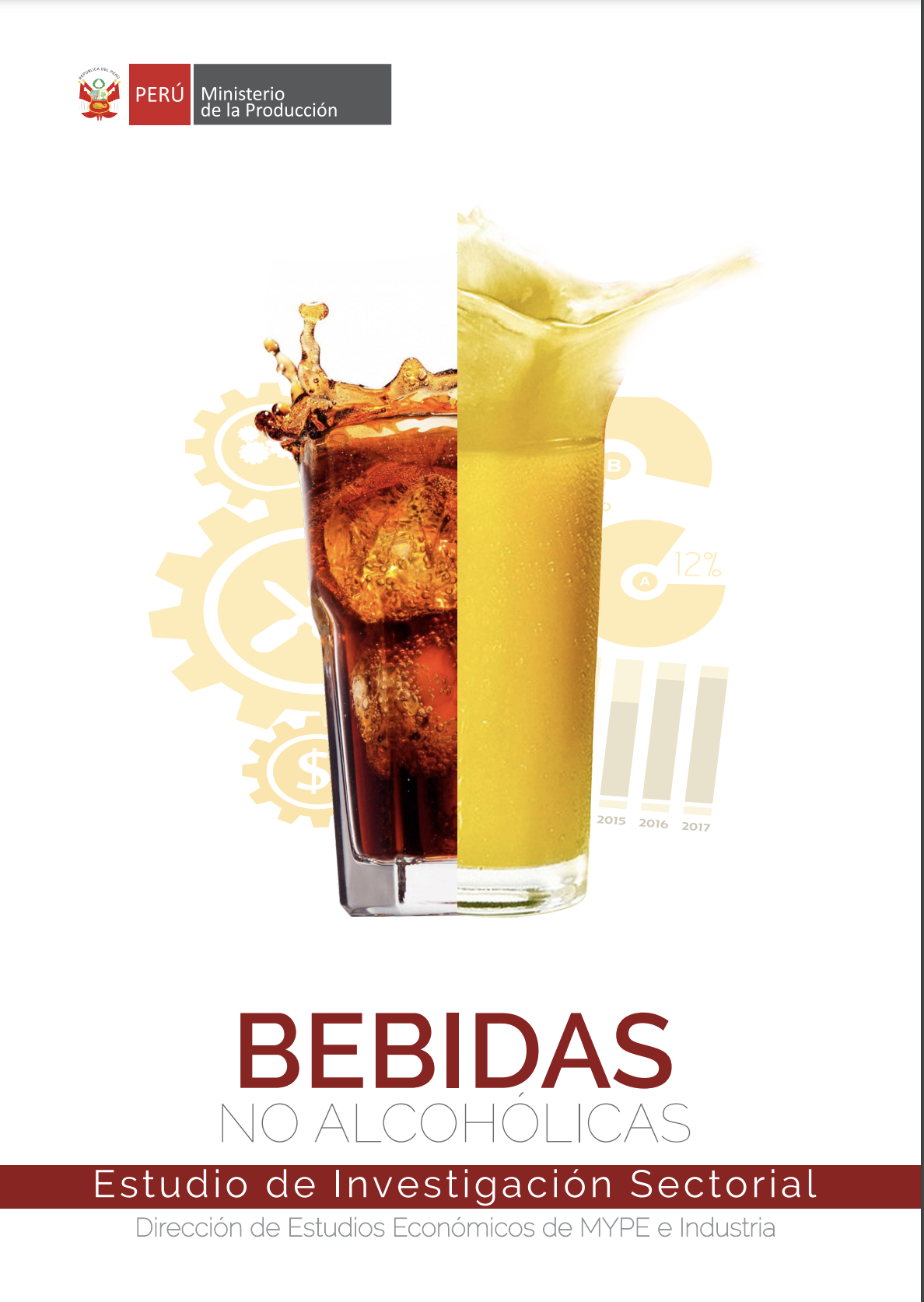
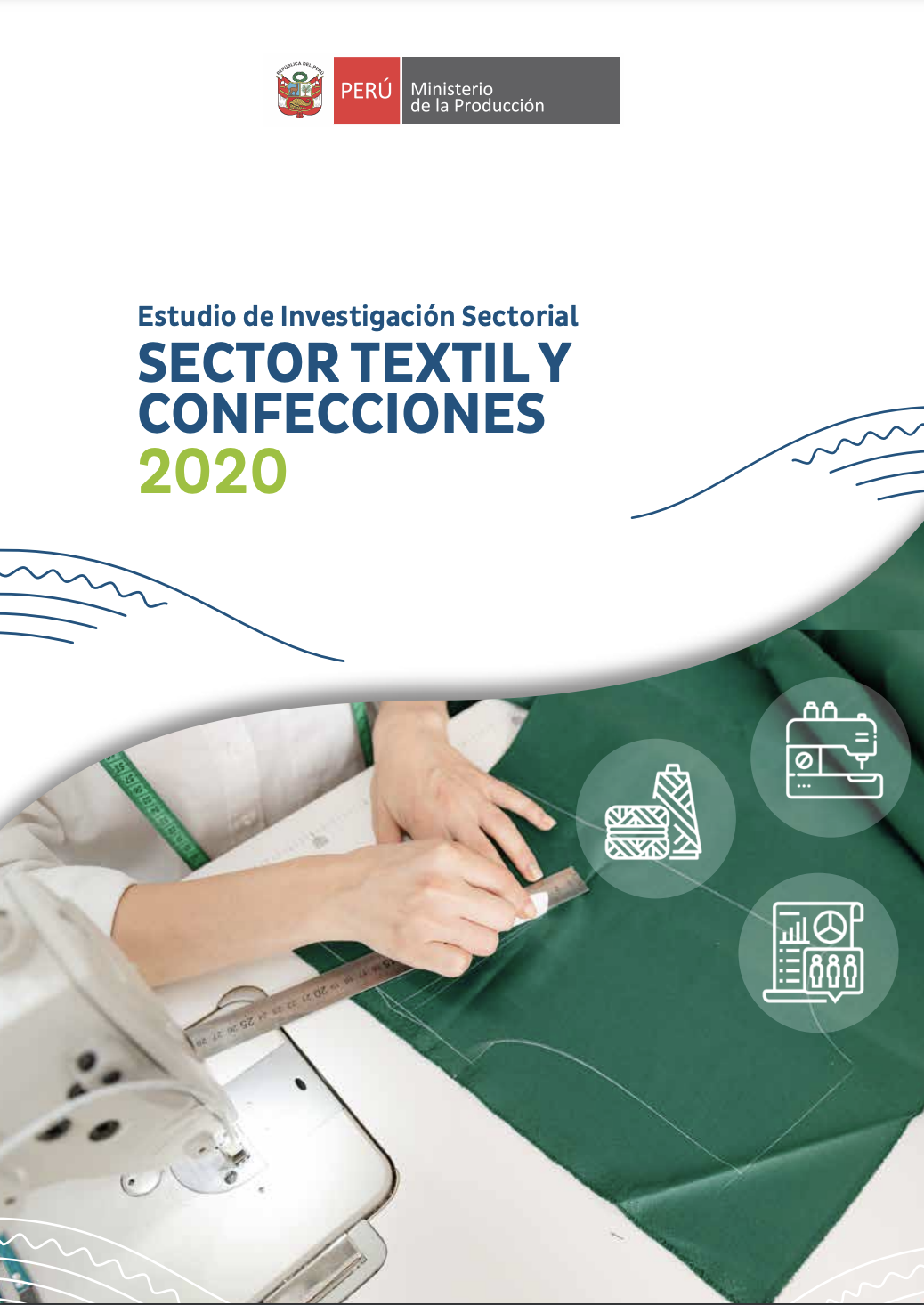
These sectoral studies analyze the performance of an industry at an economic and statistical level, evaluating key indicators such as GDP, employment, and innovation. They are essential for strategic decision-making and the design of policies that promote sectoral growth. We invite you to review them!

05

Current Information

Fishing Data

30% cayó el precio del Bonito
(4.5 soles x Kg). En 2023 récord histórico de captura de Bonito (116 815 toneladas)

Fishing Data

Access price and volume information on the main species for each region.

Explore more

Business Productivity

4.6% and 27.1% represent the productivity of micro and small enterprises compared to large enterprises, respectively.

Business Productivity

Total Factor Productivity has declined steadily over the last decade.

Explore more

Business Informality

84.8% represents the level of labor informality in MSEs 91.3% asciende la Informalidad en las Microempresas a nivel nacional

Business Informality

Access the most comprehensive analysis of business informality in Peru.

Explore more

Wholesale and Food Markets

2612 wholesale and food markets in Peru. 318 of them are located in rural areas.

Wholesale and Food Markets

Wholesale and Food markets are at the core of supplying essential products. Check their main characteristics based on the Wholesale Markets Census.

Explore more

Convenience Stores

More than 590,000 convenience stores in the country. Lima accounts for 45% of the total.

Convenience Stores

Accede a información más relevante sobre el estado de las bodegas y además, ubica que te quede más cerca

Explore more

Cooperatives

1245 Cooperatives are registered in Peru.
The cooperative membership population in the country totals 2.4 million individuals

Cooperatives

Up-to-date information on the world of cooperatives: discover who they are, where they are, what they do, and how many workers they employ.

Explore more

01. MSMEs in Figures

Between 2018 and 2022, the participation of women as managers of formal enterprises exceeded 40.0% of the total.

During this period, the number of female entrepreneurs exhibited an average annual growth of 1,7%, peaking in in 2019 with 2.39 million women entrepreneurs. However, there was a significant decline in 2020, with a decrease of 37.6% due to the impact of the pandemic

Contributions of MSMEs

Enterprises
0%
Contribution to GDP
0%
Exports
0%
Employment
0%

02. Fishing and Aquaculture Sector

03. Top Sectors of the Export Manufacturing Industry

TOP 5
Metales primarios
Top Company % Share of Exports
1 NEXA RESOURCES CAJAMARQUILLA S.A. 39.2%
2 PROCESADORA SUDAMERICANA S.R.L. 18.1%
3 TECNOFIL S.A. 13.5%
4 CORPORACION ACEROS AREQUIPA S.A. 6.8%
5 INDUSTRIAS ELECTRO QUIMICAS S.A. 5.6%
close

Recopilamos y comparamos datos, y realizamos análisis para asesorar la elaboración de políticas económicas, sociales y medioambientales.

Alimentos y bebidas
Top Enterprises % Share of Exports
1 TECNOLOGICA DE ALIMENTOS S.A. 8.0%
2 PESQUERA EXALMAR S.A.A. 5.7%
3 VIRU S.A. 4.2%
4 VITAPRO S.A. 3.9%
5 DANPER TRUJILLO S.A.C. 3.7%
Explore more
Chemicals
Top Enterprises % Share of Exports
1 QUIMPAC S.A. 18.3%
2 SUCROALCOLERA DEL CHIRA S.A. 6.7%
3 AGROAURORA S.A.C. 6.2%
4 SUDAMERICANA DE FIBRAS S.A. 5.9%
5 FAMESA EXPLOSIVOS S.A.C. 4.9%
Explore more
Textiles
Top Enterprises % Share of Exports
1 MICHELL Y CIA S.A. 12.9%
2 TEXTILES CAMONES S.A. 12.1%
3 TEXTIL DEL VALLE S.A. 11.9%
4 HILANDERIA DE ALGODON PERUANO S.A. 10.4%
5 INCA TOPS S.A. 7.0%
close

A petición de los países, brindamos asistencia en la implementación de políticas a escala nacional, y contribuimos a guiar la puesta en marcha de acuerdos internacionales.

Caucho y plástico
Top Enterprises % Share of Exports
1 OPP FILM S.A. 26.7%
2 PERUPLAST S.A. 10.6%
3 COMPAÑIA GOODYEAR DEL PERU S.A. 9.8%
4 SAN MIGUEL INDUSTRIAS PET S.A. 8.7%
5 PERUANA DE MOLDEADOS S.A.C. 3.3%
Explore more
previous
next
close

A través de los comités temáticos, grupos de expertos y de trabajo, los países miembros y socios debaten sobre políticas públicas y estándares comunes que fomenten la cooperación internacional. Nuestros procesos consultivos nos permiten integrar distintas perspectivas que enriquecen nuestro trabajo.

close

Proporcionamos orientación sobre políticas públicas en forma de asesoramiento, recomendaciones y estándares internacionales. A través de este proceso, mantenemos un diálogo constante con los responsables a cargo de la elaboración de políticas públicas.

close

Representantes de países y expertos se reúnen para examinar el impacto de las políticas y los ámbitos de mejora. Este proceso forma parte de la revisión por pares, que tiene un papel esencial en nuestro trabajo. La revisión por pares de la OCDE es un ejercicio en el que distintos países examinan, en igualdad, una política concreta de un país. Estos exámenes se llevan a cabo en los comités de la OCDE. Por ejemplo, un país que busca reducir el desempleo puede obtener información útil sobre medidas que han funcionado en otros países o que pueden adaptarse mejor. Este método es completamente horizontal: todos los países realizan el mismo ejercicio. Las revisiones por pares constituyen la base de los estudios de la OCDE: en materia de economía, desempeño de las políticas medioambientales y de ayuda al desarrollo, entre otros. Comenzaron en los años sesenta y, desde entonces, han sido adoptadas por otras organizaciones, como la Unión Europea y el Fondo Monetario Internacional.

04. Acceso al Financimiento

SOUTHERN MACROREGION

Acceso e inclusión financiera, 2022

La Financial inclusion in the Southern Macroregion it is 36.4%. The total financial access in this region amounts to 15 mil 386 millones (PEN), representing 7.0% of the national financial system’s total financing.

05. The Role of Women Entrepreneurs

970 976

Empresa son dirigidas por mujeres

99.6%

Are MSEs
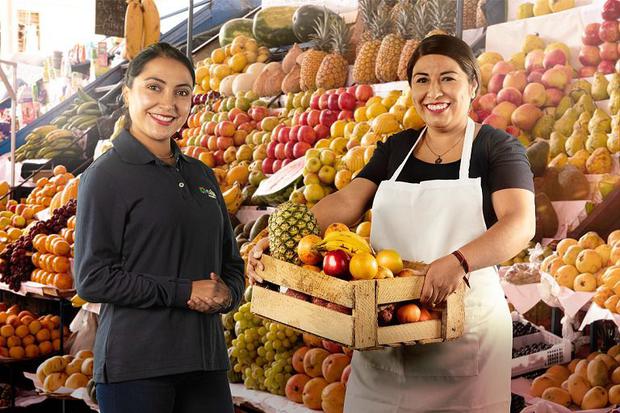
53.3%

work in the retail sector
36.6%

are employed in the services sector; and 6.9%, in the manufacturing sector.
Between 2018 and 2022, the participation of women as managers of formal enterprises exceeded 40.0% of the total.

During this period, the number of female entrepreneurs exhibited an average annual growth of 1,7%, peaking in in 2019 with 2.39 million women entrepreneurs. However, there was a significant decline in 2020, with a decrease of 37.6% due to the impact of the pandemic

06. Regions in Numbers

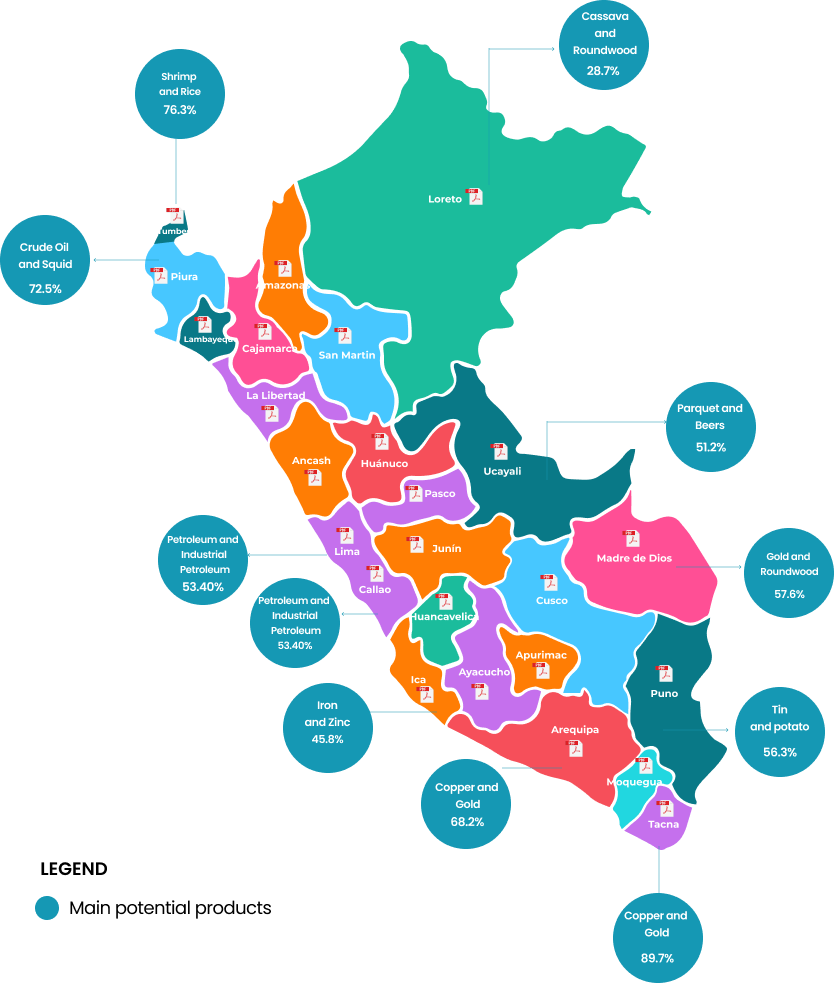
Loreto Tumbes Ucayali # Madre de Dios Puno Tacna Moquegua Arequipa Apurimac Cusco Ica Amazonas Junin Ayacucho San Martin Ancash Lima Callao Piura Lambayeque Huanuco Cajamarca La Libertad Huancavelica Pasco

The Regional Growth Diagnostic Sheets use a methodology based on the studies by Hausmann et al. (2005) and Hausmann, Klinger and Wagner (2008) in their original version on economic growth, later extended by Ianchovichina and Lundstrom (2009) to analyze inclusive growth.

DOWNLOAD INFORMATION

Download our databases

Download our surveys

Download our censuses

Logo

CONTACT US

Central Teléfonica:

(511) 616 2222
Annex: 3357

E-mail

producempresarial@produce.gob.pe


Headquarters:

Calle Uno Oeste N.º 060 Urbanización Córpac. San Isidro. Lima, Perú

Operating hours of the Document Submission Desk:

Monday to Friday: 08:30 – 17:00

.

.

Social Media

.

Linked SDG
Visitas: 3277